The Lost Art of Horticultural Architecture
Tucked away behind the grand facades of Britain's country houses, often forgotten and overgrown, lie some of our most sophisticated examples of outdoor spatial design. These walled gardens — once the productive hearts of great estates — represent a uniquely British approach to creating intimate outdoor environments that feel simultaneously expansive and protective.
While contemporary garden design often focuses on views and openness, these historic spaces understood something profound about the psychology of enclosure. They created outdoor rooms that felt like secrets, places where the outside world seemed both close and impossibly distant.
The Genius of Graduated Privacy
Step through the heavy wooden door of a restored walled garden at somewhere like West Dean in Sussex or Scampston in Yorkshire, and you immediately understand what modern garden design has largely forgotten: the power of threshold and transition.
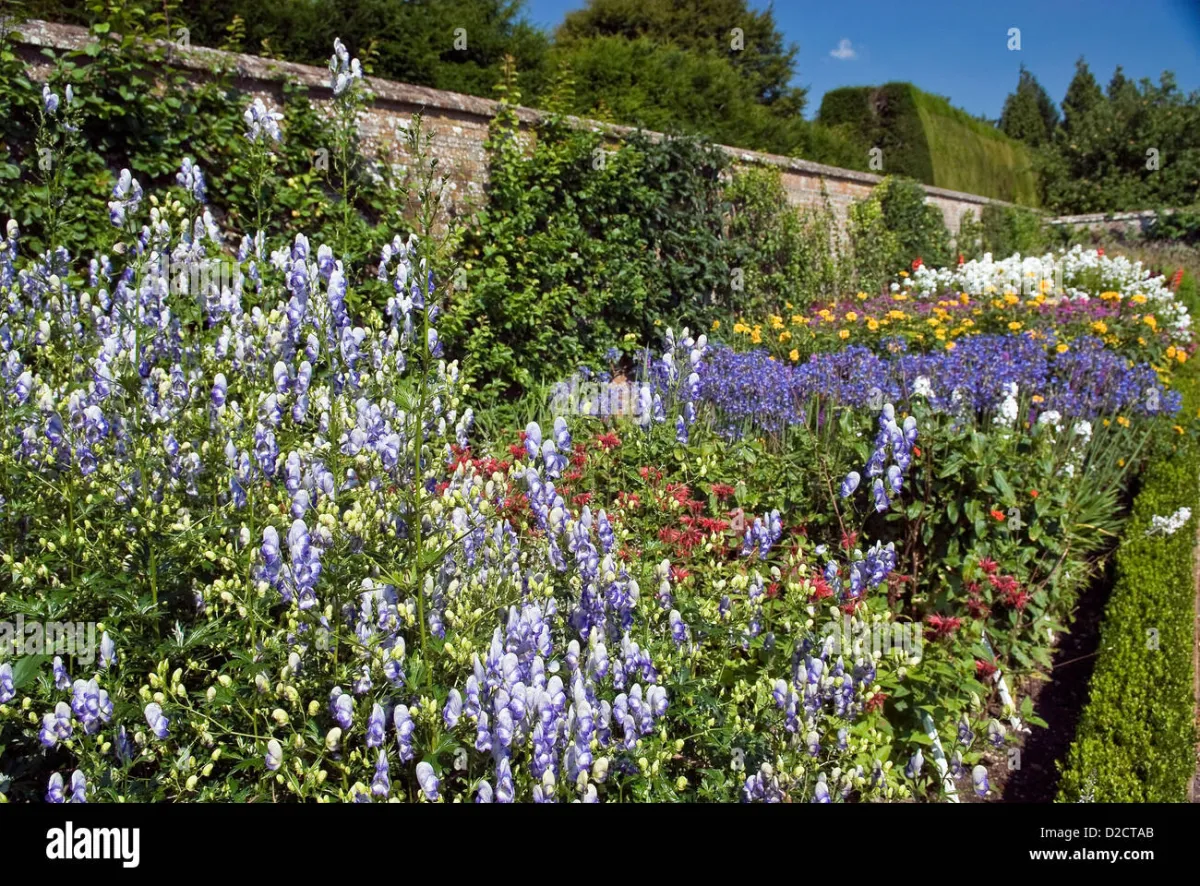 Photo: West Dean, via c8.alamy.com
These spaces don't reveal themselves all at once. Instead, they unfold through a series of carefully orchestrated moments — the initial sense of enclosure, the gradual awareness of the garden's full scale, the discovery of hidden corners and unexpected vistas within the walls.
"A well-designed walled garden creates multiple experiences within a single space," explains landscape architect Sarah Price, whose contemporary garden designs often reference these historic precedents. "You might have intimate seating areas that feel completely private, even though you're actually in quite a large space."
This principle of graduated privacy offers invaluable lessons for contemporary garden rooms and outdoor living spaces. Instead of creating one large terrace or patio, consider how you might use planting, screening, or subtle level changes to create a series of interconnected but distinct outdoor zones.
Microclimates as Design Tools
One of the most remarkable aspects of Britain's historic walled gardens is their mastery of microclimate creation. Those high brick or stone walls weren't just about keeping deer and rabbits out — they created warm, sheltered environments where tender plants could thrive in our unpredictable climate.
The south-facing walls of kitchen gardens were often lined with fruit trees trained into elaborate espaliers, taking advantage of reflected heat and protection from cold winds. The corners where walls met created particularly favourable microclimates, often used for the most precious or experimental plantings.
Contemporary garden designers are rediscovering these principles, using walls, hedges, and strategic planting to create outdoor spaces that extend the useable season. A well-positioned garden room can be comfortable for outdoor dining well into autumn, or provide a sunny breakfast spot protected from spring winds.
The Architecture of Productivity and Beauty
Historic walled gardens achieved something that modern garden design often struggles with: they were simultaneously beautiful and functional. These weren't ornamental spaces — they were working gardens that fed entire households — yet they possessed an aesthetic sophistication that puts many contemporary gardens to shame.
The secret lay in understanding that utility and beauty aren't opposing forces. The geometric layout of vegetable beds created pleasing patterns. The seasonal rhythm of planting and harvesting provided natural variety. The necessary structures — greenhouses, tool sheds, compost areas — were integrated as positive design elements rather than hidden apologetically.
This integration of beauty and function offers powerful lessons for contemporary garden rooms. Instead of treating storage, utilities, or productive elements as problems to be concealed, consider how they might become positive features that add character and authenticity to your outdoor spaces.
Borrowed Landscape Within Walls
Perhaps most surprisingly, the best walled gardens created a sense of connection to the broader landscape despite their enclosed nature. Through carefully positioned gates, glimpses through openings, or strategic placement of tall plants that connected to trees beyond the walls, these spaces felt part of something larger while maintaining their intimate character.
At Sissinghurst in Kent, Vita Sackville-West famously created sight lines between different garden rooms that extended the perceived space while maintaining the sense of discovery and enclosure that made each area special.
 Photo: Vita Sackville-West, via www.thephilroom.com
For contemporary garden rooms, this suggests thinking carefully about view lines and connections to the broader garden or landscape. A small courtyard can feel much larger if it offers carefully framed glimpses of the space beyond, while still maintaining its sense of intimacy and protection.
The Sensory Layers of Enclosure
Walking through a well-maintained historic walled garden is a profoundly sensory experience. The walls create acoustic intimacy — sounds from the outside world become muffled and distant, while the sounds within the garden — bees, rustling leaves, water features — become more prominent.
The scents, too, become concentrated and layered. Herbs and flowers that might be lost in an open garden create powerful aromatic moments when their fragrances are held by enclosing walls.
Modern garden room design often focuses primarily on the visual, but these historic spaces remind us that the most memorable outdoor environments engage all the senses. Consider how different materials, water features, or aromatic plants might enhance the sensory richness of your outdoor spaces.
Seasonal Theatre in Miniature
Perhaps the greatest lesson from Britain's walled gardens is their understanding of seasonal change as a design element. These spaces were designed to be beautiful and useful throughout the year, with careful succession planting ensuring continuous interest and productivity.
The bare bones of the garden — its walls, paths, and architectural elements — provided structure and beauty even in winter, while the changing tapestry of plants created an evolving show throughout the growing season.
For contemporary garden rooms, this suggests thinking beyond summer entertaining to create spaces that offer year-round pleasure. How might your outdoor room look in February? What elements will provide structure and interest when the herbaceous plants have died back?
Creating Contemporary Sanctuaries
While few of us have the space or resources to create a full-scale walled garden, the principles behind these remarkable spaces can be scaled down and adapted for contemporary homes. It's about understanding that the most powerful outdoor rooms aren't necessarily the largest or most open, but those that create a sense of sanctuary and discovery.
Whether you're designing a small urban courtyard or planning a garden room for a suburban plot, the lessons from Britain's historic walled gardens remain profoundly relevant: the power of enclosure, the importance of microclimate, the integration of beauty and function, and the creation of spaces that feel both intimate and connected to something larger.
In our increasingly connected and busy world, these forgotten sanctuaries offer a blueprint for creating outdoor spaces that truly refresh and restore — places where the simple act of stepping outside becomes a journey into another world.