The Accidental Laboratories
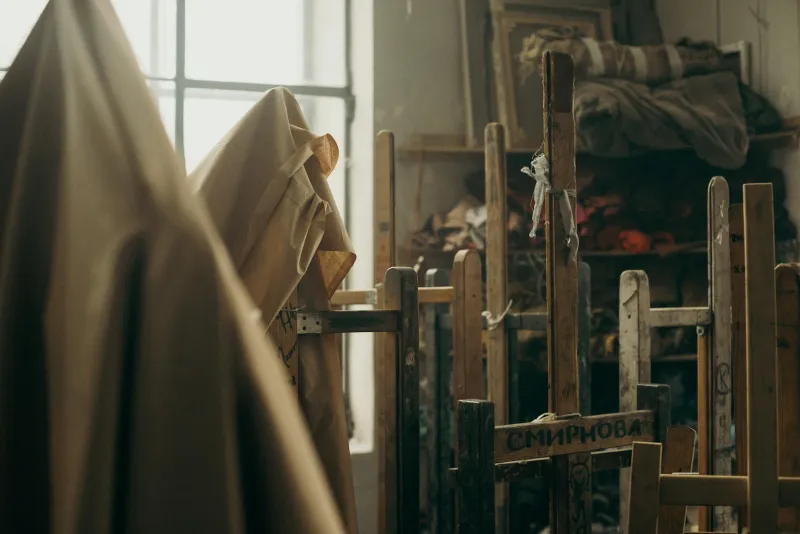
Forget the pristine galleries and polished studios. The real creative heart of Britain's art schools beats in their canteens, common rooms, and corridor corners—those in-between spaces where students gather surrounded by a glorious jumble of pinboards, abandoned projects, and furniture that's survived decades of creative chaos.
These aren't designed spaces in any conventional sense. They're evolved environments, shaped by countless hands and countless conversations. Yet they possess something that the most expensive interior designers struggle to achieve: an authentic creative charge that makes ideas feel possible.
The Beauty of the Unfinished
Wander through Central Saint Martins' canteen area and you'll notice something radical: nothing looks complete. Walls serve as giant pinboards, layered with sketches, fabric samples, exhibition flyers, and photocopied manifestos. Furniture appears to have migrated from various eras and sources, creating unexpected combinations that somehow work.
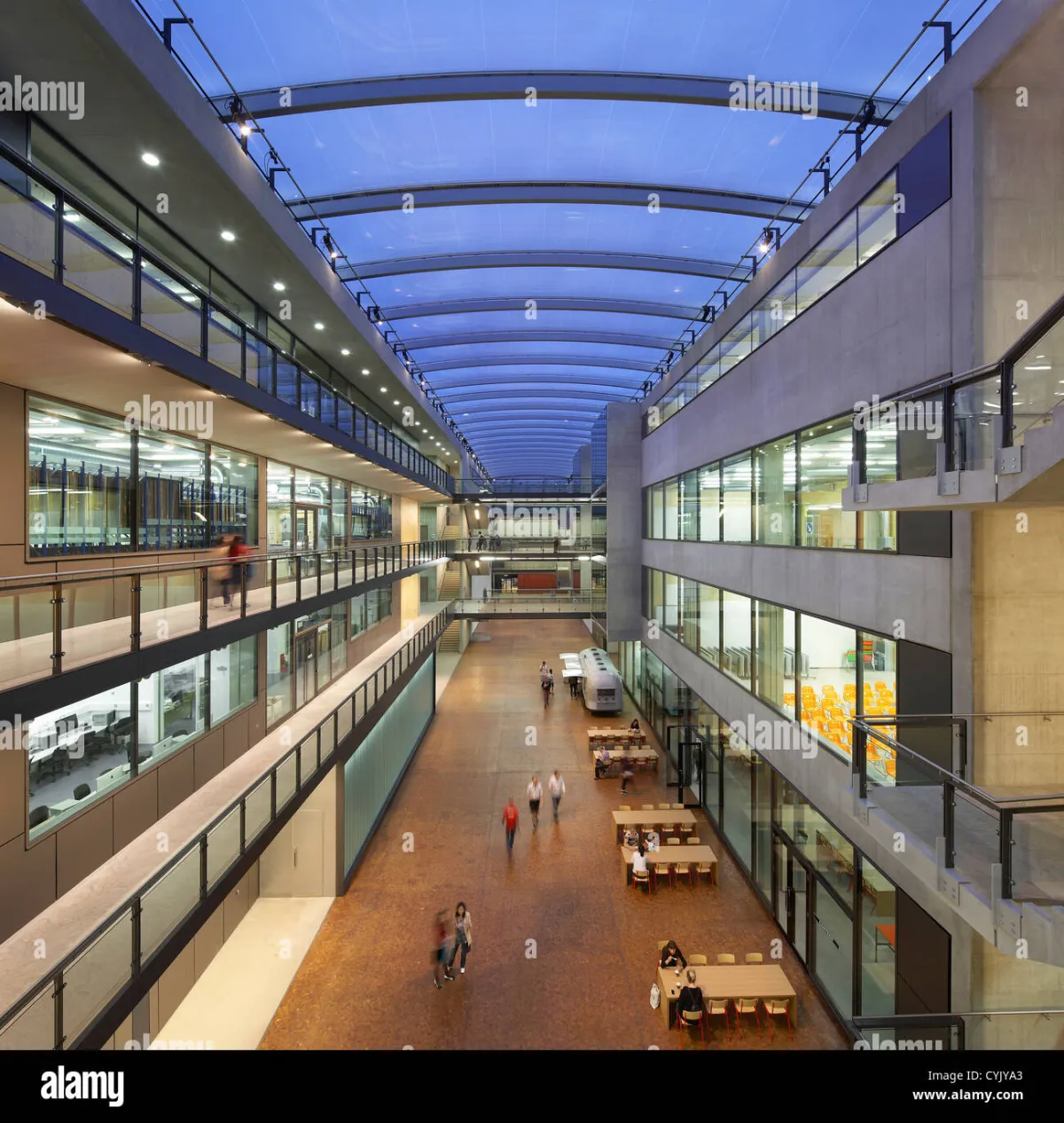 Photo: Central Saint Martins, via c8.alamy.com
This isn't neglect—it's a different aesthetic philosophy entirely. These spaces embrace the unfinished, the temporary, the experimental. They understand that creativity thrives in environments that feel open to change.
Your home doesn't need to achieve this through actual chaos, but it can benefit from the principle. Create spaces that feel open to evolution. Use pinboards, magnetic surfaces, or simple wire grids where you can easily swap artwork, inspiration images, or family photos. Avoid the tyranny of 'complete' room schemes that leave no space for spontaneous additions.
Democracy of Objects
Art school common rooms practice radical democracy when it comes to objects. A battered Victorian armchair sits beside a plastic stacking chair, both equally valued for their function rather than their pedigree. Vintage finds from charity shops mingle with discarded materials from various departments, creating collections that would horrify traditional decorators but somehow achieve perfect visual balance.
This mixing isn't random—it follows intuitive principles about scale, colour, and texture that art students absorb through their training. A rough wooden table gains sophistication when paired with delicate ceramics made in the pottery studio. Industrial metal shelving becomes sculptural when loaded with carefully arranged books and found objects.
Apply this democratic approach to your own furnishing decisions. That inherited dining table doesn't need to be surrounded by matching chairs—mix styles, periods, and materials with confidence. The key is ensuring pieces share some common element: similar scale, complementary colours, or related textures.
The Power of Layered Information
Art school walls tell stories through accumulated layers. Notice boards overflow with years of accumulated information: exhibition announcements, reading lists, sketches, photographs, ticket stubs, and fragments of text that have inspired various projects. These surfaces become collaborative artworks, constantly evolving as new contributions appear and old ones migrate or disappear.
This layered approach transforms domestic spaces. Instead of single, large artworks, consider creating gallery walls that can evolve. Mix framed pieces with unframed prints, add small shelves for three-dimensional objects, incorporate mirrors or small lights to create depth and interest.
The key is establishing systems that make change easy. Use picture ledges instead of individually hung frames. Install cork strips or magnetic paint that allow for easy repositioning. Create surfaces that invite interaction rather than demand preservation.
Functional Beauty
Every surface in art school common areas works hard. Tables serve as display space, eating surface, and impromptu workspace. Windowsills become galleries for small sculptures and experimental pieces. Even floors accommodate oversized portfolios and work-in-progress projects.
This multi-functional approach suits modern living perfectly. Choose furniture that can adapt to different uses. Ottoman storage provides seating, surface space, and hidden storage. Large dining tables accommodate everything from family meals to craft projects to homework sessions.
Consider how art students use vertical space efficiently. Walls support not just decoration but functional elements: hooks for bags and coats, small shelves for frequently used items, clips for holding works in progress.
The Comfort of Imperfection
Perhaps most importantly, art school environments embrace imperfection as part of their charm. Paint-splattered floors tell stories of past projects. Worn furniture bears the marks of countless users. Walls show pin holes and tape marks from years of changing displays.
This acceptance of wear and patina creates remarkably relaxing environments. There's no anxiety about maintaining pristine conditions, no fear of damaging precious surfaces. These spaces invite use rather than preservation.
Your home can benefit from this relaxed approach. Choose finishes that improve with age rather than suffer from it. Leather that develops patina, wood that shows character marks, fabrics that soften with washing. Create spaces that feel lived-in rather than museum-perfect.
Lighting for Living
Art school spaces rarely rely on single overhead fixtures. Instead, they accumulate various light sources: desk lamps commandeered for general use, string lights providing ambient warmth, natural light from large windows supplemented by task lighting where needed.
This layered lighting approach creates the kind of atmospheric complexity that makes spaces feel inhabited and welcoming. Avoid rooms dominated by single central fixtures. Instead, build collections of different light sources that can be combined in various ways depending on activity and mood.
The Social Architecture
Notice how art school common areas naturally encourage interaction. Furniture arrangements create both intimate conversation zones and larger gathering spaces. Seating faces multiple directions, allowing people to engage or retreat as mood dictates.
These spaces understand that creativity is often collaborative, requiring both focused work areas and social zones. Your home can benefit from similar flexibility. Arrange furniture to create multiple conversation areas rather than single focal points. Ensure seating allows for both group activities and individual pursuits.
Curated Randomness
The most successful art school environments achieve something remarkable: they feel simultaneously random and curated. This isn't actually contradictory—it requires developing an eye for how disparate elements can work together harmoniously.
Art students learn to see relationships between colours, textures, and forms that might not be obvious to others. They understand how a rough ceramic bowl can echo the texture of a weathered wooden table, or how the curve of a vintage chair can relate to the arc of a sculptural light fixture.
Develop this curatorial eye by paying attention to the formal relationships between objects in your space. Look for echoes of colour, repetitions of shape, or contrasts of texture that create visual coherence even across diverse collections.
Bringing the Energy Home
The goal isn't to recreate art school chaos in your living room, but to capture the creative energy that makes these spaces so compelling. This means embracing change, celebrating imperfection, and creating environments that feel open to possibility rather than locked into single purposes.
Start small: designate one wall or corner as a flexible creative zone. Install surfaces that can easily accommodate changing displays. Choose furniture that can serve multiple functions. Most importantly, give yourself permission to experiment, to make mistakes, and to evolve your space over time.
After all, the most vibrant creative environments aren't those that achieve perfection—they're those that remain open to transformation.