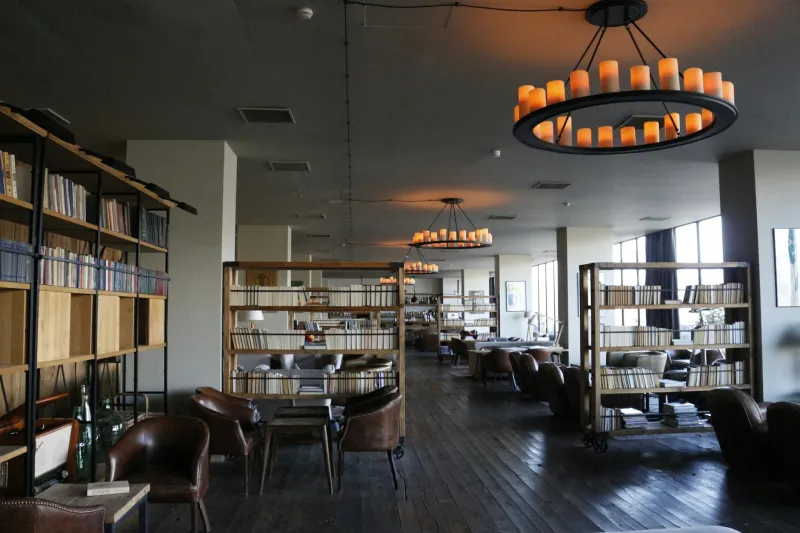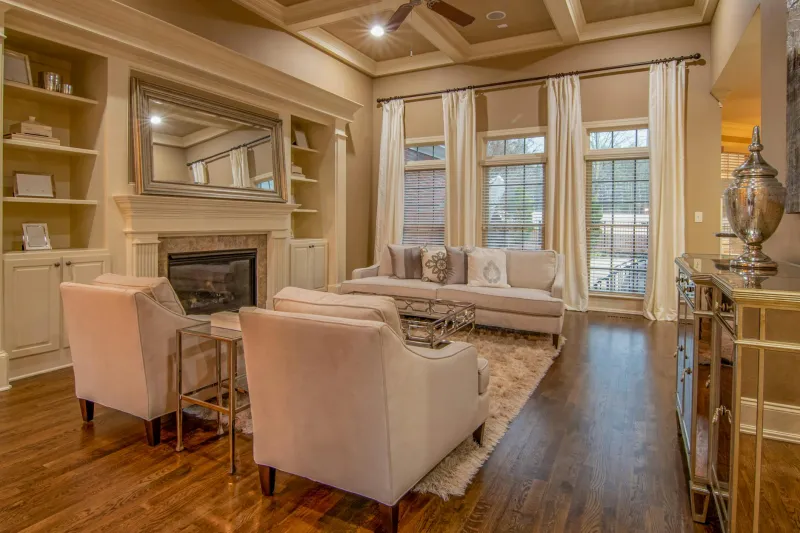
The curtain may fall each night on London's West End, but the magic continues long after the audience has gone home. Increasingly, the creative minds behind our most celebrated theatrical productions are channelling their expertise into residential projects, bringing a sense of narrative drama to British homes that goes far beyond conventional interior design.
When Set Designers Come Home
Sarah Mitchell, whose credits include the recent revival of The Tempest at the Old Vic, has spent the past five years applying her theatrical knowledge to private commissions across South London. "The principles are identical," she explains from her Dulwich studio. "Whether you're creating Prospero's island or a family dining room, you're telling a story through space, light, and carefully chosen objects."
This crossover isn't entirely new – legendary designer Oliver Messel was transforming both stages and stately homes back in the 1930s – but today's practitioners are working with very different briefs. Modern British homes, from converted Victorian warehouses to new-build flats in Manchester, present unique opportunities for theatrical intervention.
The Art of Visual Trickery
One of the most powerful techniques migrating from stage to sitting room is forced perspective. In theatre, this centuries-old trick creates the illusion of vast spaces on compact stages. At home, it can make a narrow London terrace feel palatial.
Consider how designer James Whitworth transformed a cramped Islington corridor. By gradually reducing the scale of identical picture frames along the wall and using progressively cooler paint tones, he created the impression of a gallery stretching far into the distance. The hallway measures just four metres, but visitors consistently overestimate its length.
"We're not trying to deceive," Whitworth clarifies. "We're enhancing the natural drama that already exists in these spaces."
Lighting as the Ultimate Scene-Setter
Perhaps no element is more crucial to theatrical atmosphere than lighting, and here the lessons from stage design prove immediately applicable to residential settings. The harsh overhead lighting that dominates many British homes would horrify any West End lighting designer.
Instead, professionals like Rebecca Chen, who has lit productions at the National Theatre, advocate for layered illumination that changes throughout the day. In her own Hackney home, she's installed a complex system of dimmers, uplighters, and colour-changing LEDs that can transform her living room from morning coffee spot to intimate dinner setting to late-night reading nook.
"Most people live with the lighting equivalent of a single follow spot," Chen observes. "Imagine trying to create atmosphere on stage with just one light – it's impossible."
The Painted Backdrop Revolution
Another theatrical technique finding new life in British homes is the painted backdrop. While homeowners might shy away from anything too overtly 'stagey', contemporary interpretations can be surprisingly subtle.
Tom Harrison, whose painted scenery has graced productions from Hamilton to The Lion King, recently completed a commission for a Victorian house in Bath. Rather than traditional wallpaper in the dining room, he created a hand-painted mural depicting an English garden that seems to extend beyond the room's physical boundaries.
"The clients wanted something that felt like a permanent stage set," Harrison explains. "Somewhere they could host dinner parties that felt like performances in their own right."
Practical Magic for Real Budgets
The beauty of theatrical techniques lies not in their expense but in their ingenuity. Set designers have always worked within tight constraints, finding creative solutions that maximise impact while minimising cost.
Mirror Magic
Strategically placed mirrors can create the illusion of wings extending beyond your room's actual footprint. Position a large mirror at an angle in a corner, partially hidden behind furniture or plants, to suggest mysterious spaces beyond.
Colour Storytelling
Theatrical colour theory can transform how we experience domestic spaces. Warm colours advance while cool ones recede – use this to make high ceilings feel more intimate or low ones appear loftier.
Prop Placement
Think like a props master when arranging your belongings. Every object should serve the story you're telling about your space. A well-placed vintage suitcase suggests travel and adventure; carefully arranged books create intellectual atmosphere.
The Narrative Home
What sets theatrical interior design apart is its commitment to storytelling. Rather than following prescribed style rules, these spaces evolve around the lives and personalities of their inhabitants.
Designer Marcus Webb, who splits his time between West End productions and residential work, puts it simply: "A home should have acts, scenes, and character development, just like any good play. The morning kitchen scene should feel different from the evening drawing room scene, but they should all belong to the same story."
Making the Ordinary Extraordinary
The most successful theatrical homes don't shout about their stage connections. Instead, they create spaces that feel somehow more vivid, more engaging than conventional interiors. They understand that good design, like good theatre, should transport us somewhere else entirely – even if that somewhere is simply a more dramatic version of home.
As Sarah Mitchell notes, "The goal isn't to live in a theatre set. It's to live in a space that has the emotional impact of great theatre – somewhere that makes you feel like the protagonist of your own story."
For British homeowners willing to embrace a little drama, the lessons from our theatrical tradition offer a masterclass in creating spaces that are both beautiful and deeply engaging. After all, if it's good enough for the West End, it's certainly good enough for the sitting room.