When Seconds Count: Learning from Theatre's Quick-Change Masters
In the heart of London's West End, something extraordinary happens every night. Between one scene and the next, entire worlds dissolve and reform. A Victorian parlour becomes a moonlit garden. A bustling marketplace transforms into an intimate bedroom. These miraculous metamorphoses happen in mere seconds, often in full view of captivated audiences.
What if your living room could perform the same magic?
Theatre's rapid set transformations aren't just impressive spectacle—they're masterclasses in spatial efficiency that UK homeowners can learn from. As our homes work harder than ever, juggling roles as offices, gyms, dining rooms, and entertainment spaces, the principles behind West End quick changes offer surprisingly practical solutions.
The Modular Mindset: Building Blocks for Real Life
Sarah Chen, head of design for several touring productions, explains her approach: "Everything we create has to serve multiple purposes. A single piece might be a throne, a garden wall, and a shop counter within the same evening."
This modular thinking translates beautifully to domestic spaces. Rather than fixed furniture arrangements, consider pieces that can shift roles throughout the day. Ottoman storage cubes that become extra seating for dinner parties. Console tables that slide together to form a larger workspace. Side tables on castors that roll wherever needed.
The key is choosing pieces with clean lines and neutral finishes—much like theatre flats that must blend seamlessly into different scenes. Oak and walnut work brilliantly here, offering the timeless appeal that adapts to changing contexts.
Surface Secrets: The Power of Reversible Design
Theatre designers have long mastered the art of double-sided elements. Flats painted differently on each side. Screens that reveal entirely new scenes when flipped. This principle works wonders in homes too.
Consider reversible cushion covers that shift your sofa from formal to casual in seconds. Double-sided artwork that changes the mood with a simple flip. Even something as simple as tablecloths with contrasting sides can transform your dining space from everyday family meals to elegant entertaining.
One particularly clever trick borrowed from touring productions: magnetic panels. Theatre companies use them to quickly change backdrops, but they work equally well on domestic walls. Create a gallery wall system using magnetic paint and lightweight frames—rearrange your art collection as easily as changing a set between acts.
Lighting: The Ultimate Transformer
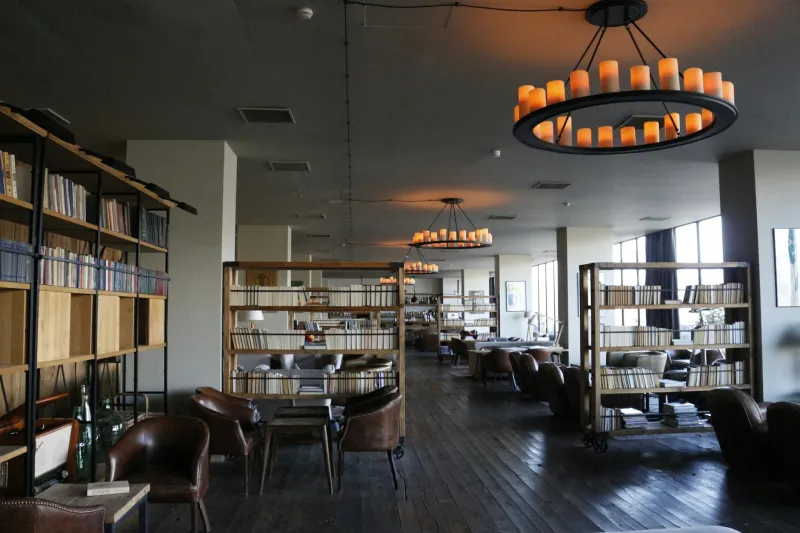
Perhaps no element transforms space more dramatically than lighting, and theatre designers are absolute masters of this craft. The same set can feel intimate or expansive, warm or cool, simply through lighting changes.
Take inspiration from theatre's layered approach. Combine ambient lighting (your general room illumination), task lighting (for specific activities), and accent lighting (to highlight features or create mood). The magic happens when you can control these layers independently.
Smart bulbs and dimmer switches aren't just modern conveniences—they're your lighting rig. Programme different scenes for different room functions. Bright, cool light for morning coffee and laptop work. Warm, dimmed ambiance for evening relaxation. Dramatic accent lighting for dinner parties.
Strategically placed floor and table lamps can define different zones within open-plan spaces, much like theatre lighting isolates different areas of the stage. A reading corner emerges when you illuminate just one chair and side table, leaving the rest of the room in softer light.
Storage That Performs: Hidden in Plain Sight
Theatre storage is an art form—everything must be instantly accessible yet completely invisible to the audience. This principle is gold for UK homes, where space comes at a premium.
Window seats with lift-up lids hide seasonal items while providing extra seating. Coffee tables with drawers keep everyday clutter at bay. Even wall-mounted floating shelves can incorporate hidden storage—look for designs with concealed compartments.
The theatre trick of "quick-strike" storage—items that can be rapidly stowed or deployed—works brilliantly for multipurpose rooms. Rolling carts that tuck under console tables but emerge for drinks service. Folding chairs that hang flat against walls. Nesting tables that expand your surface area when needed but disappear when not.
Room-by-Room Transformation Guide
Living Spaces
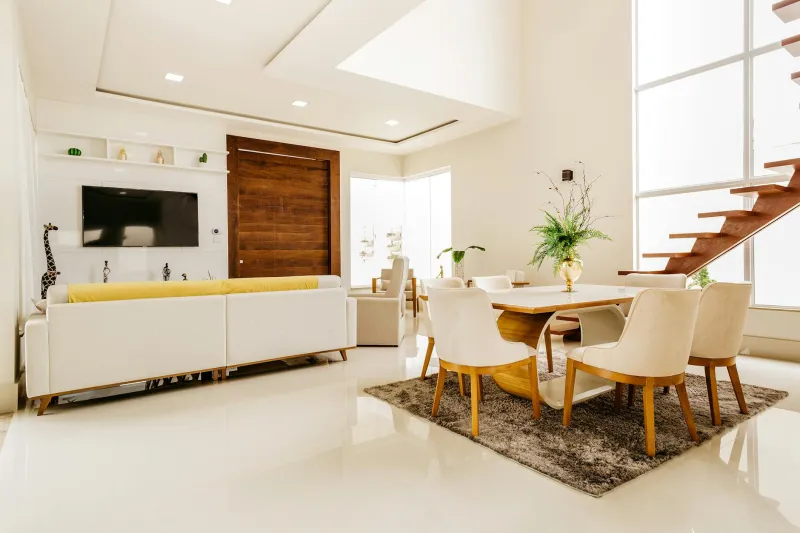
Create zones using rugs and lighting rather than permanent dividers. A large rug defines your seating area, while task lighting carves out a reading nook in the corner. When you need more floor space for yoga or children's play, simply roll up the rug and rearrange.
Dining Areas
Invest in an extending table—the domestic equivalent of theatre's flying scenery. Pair it with a mix of seating: benches that tuck completely under the table, plus a few chairs that can migrate to other rooms when not needed.
Bedrooms
Borrow from theatre's "preset" philosophy—everything in its designated place, ready for quick deployment. Bedside tables with multiple drawers keep essentials organised. A bedroom chair that's beautiful enough for display but practical enough for daily use.
Home Offices
Think like a touring production that must pack and unpack efficiently. Wall-mounted fold-down desks. Cable management systems that keep technology tidy. Mobile storage units that wheel away when the workday ends.
The Final Curtain Call
The most successful theatre sets aren't just functional—they're beautiful in every configuration. This should be your guiding principle too. Each arrangement of your flexible space should feel intentional and aesthetically pleasing, not like a compromise.
Start small. Choose one area of your home and experiment with modular principles. Notice how different lighting affects the space throughout the day. Pay attention to which arrangements feel most natural for different activities.
Remember, the best set changes appear effortless to the audience, but they're the result of careful planning and smart design choices. Your home's transformations should feel just as seamless—spaces that adapt to your life's changing scenes with grace and style.
After all, we're all the stars of our own domestic productions. Why not give ourselves a stage worthy of the performance?