The Invisible Orchestra
When millions watched the Queen's funeral procession wind through London, few noticed the army of designers who had spent months orchestrating every visual detail. The placement of each wreath, the precise shade of purple for the catafalque draping, even the angle of light falling across the Abbey's nave – nothing was left to chance. This is ceremonial design at its most sophisticated, where every element must work in perfect harmony to create an experience that feels both timeless and deeply moving.
These are the principles that can transform any domestic interior from merely pretty to genuinely powerful.
Layers of Meaning
Royal ceremonial design operates on multiple levels simultaneously. Take the Coronation Chair in Westminster Abbey – it's not just furniture, but a repository of history, symbolism, and craft tradition. The oak tells stories of medieval forests, the gilding speaks to divine authority, and its very presence transforms the space around it.
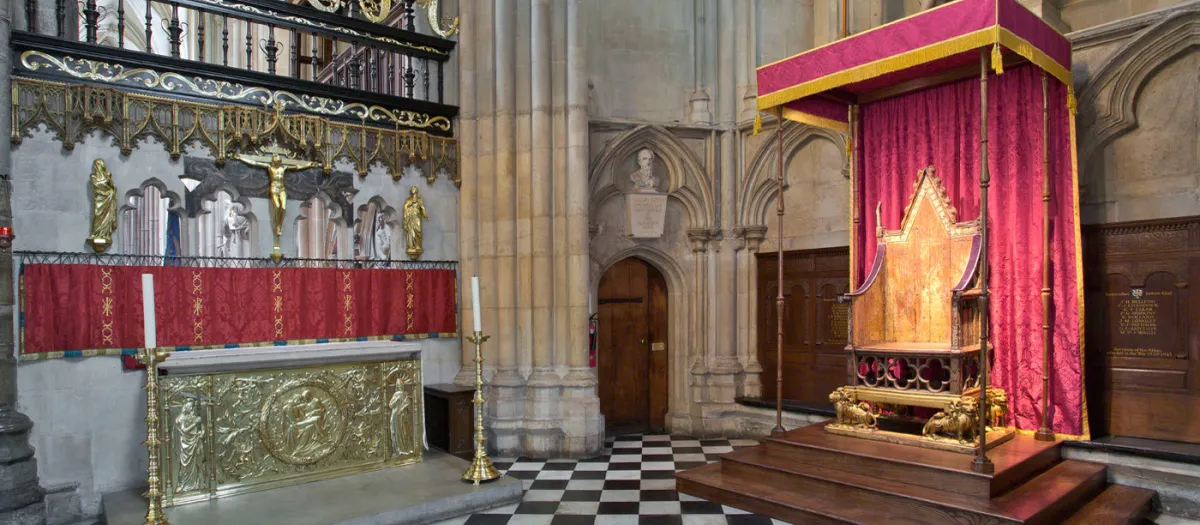 Photo: Coronation Chair, via www.westminster-abbey.org
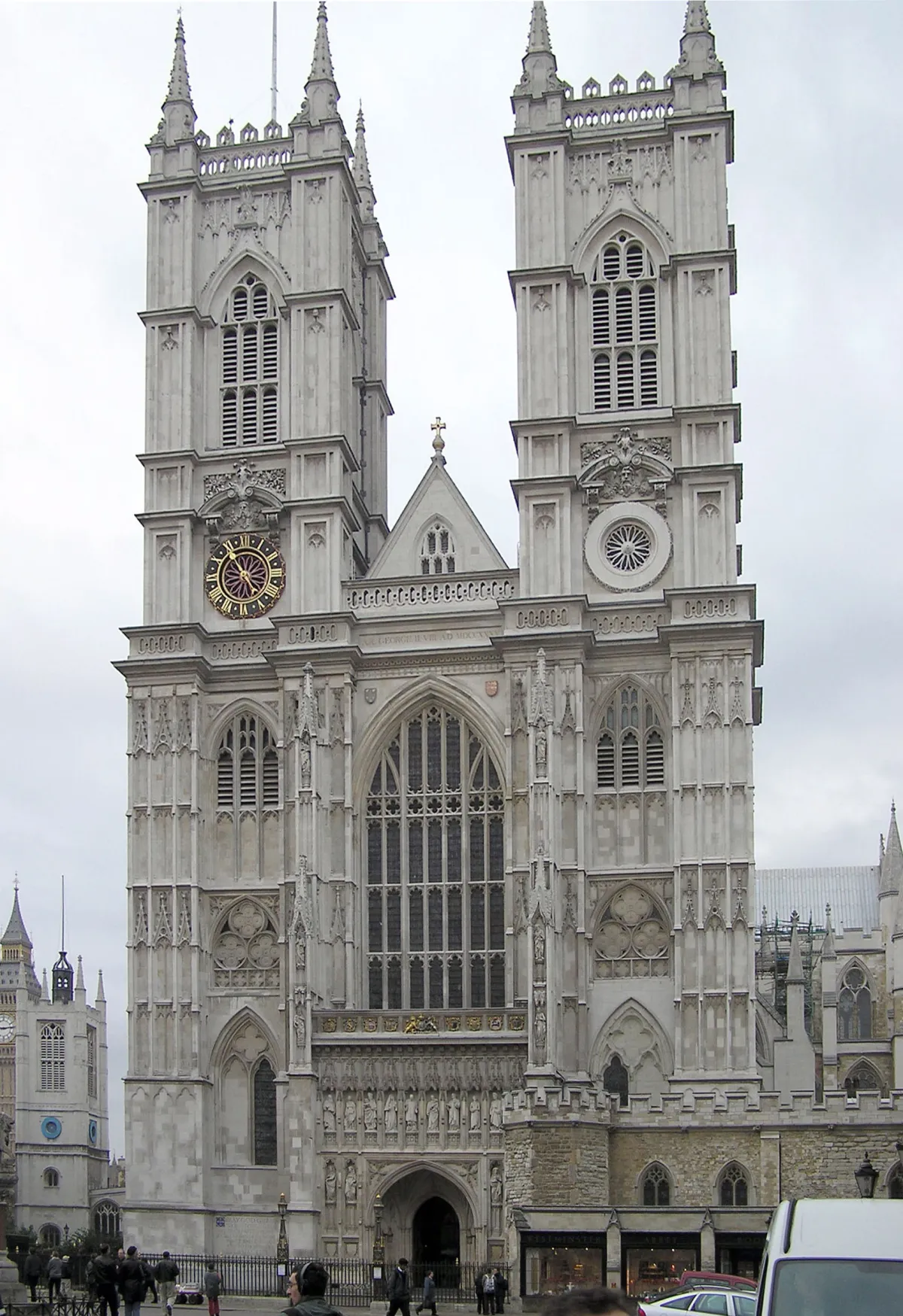 Photo: Westminster Abbey, via upload.wikimedia.org
This layering principle works beautifully in domestic contexts. Instead of decorating rooms with objects chosen purely for aesthetics, consider building collections that tell your family's story. That inherited side table gains power when paired with photographs from the era it was made. Modern art becomes more meaningful when it references the architecture of your home.
The Architecture of Procession
Royal designers understand that movement through space is as important as the spaces themselves. The route from Buckingham Palace to Westminster Abbey isn't just about getting from A to B – it's a carefully choreographed journey that builds anticipation and emotion through changing scales, textures, and vistas.
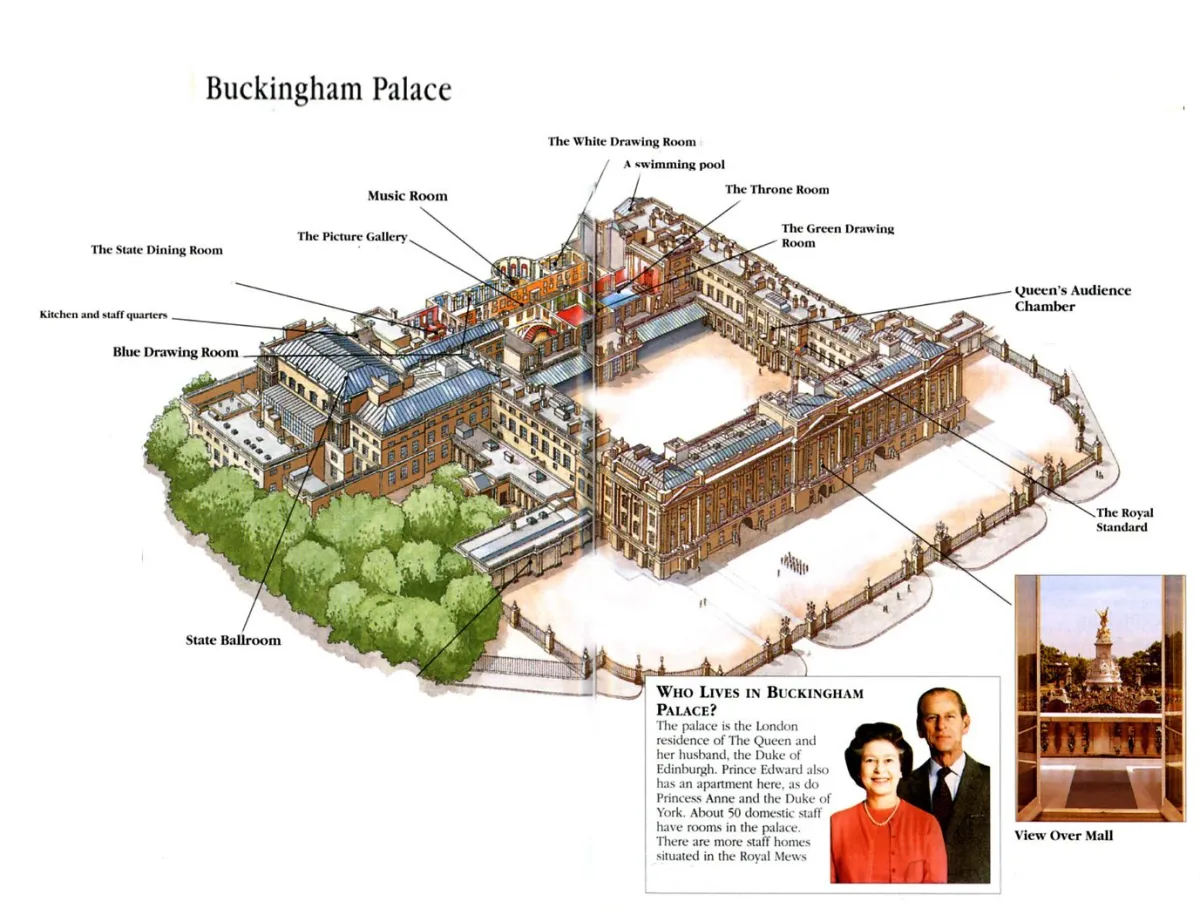 Photo: Buckingham Palace, via i.pinimg.com
Domestic spaces benefit enormously from this thinking. Consider how guests move through your home: from the front door through the hallway to the main living areas. Each transition is an opportunity to shift mood, reveal views, or create moments of surprise. Royal designers call this 'processional thinking' – the idea that interiors should unfold like stories rather than revealing everything at once.
Ceremonial Colour Theory
The royal palette is never accidental. Purple speaks to mourning and majesty, gold to divine authority, crimson to power and celebration. But beyond symbolism, royal colour schemes demonstrate sophisticated understanding of how hues interact across vast spaces and under different lighting conditions.
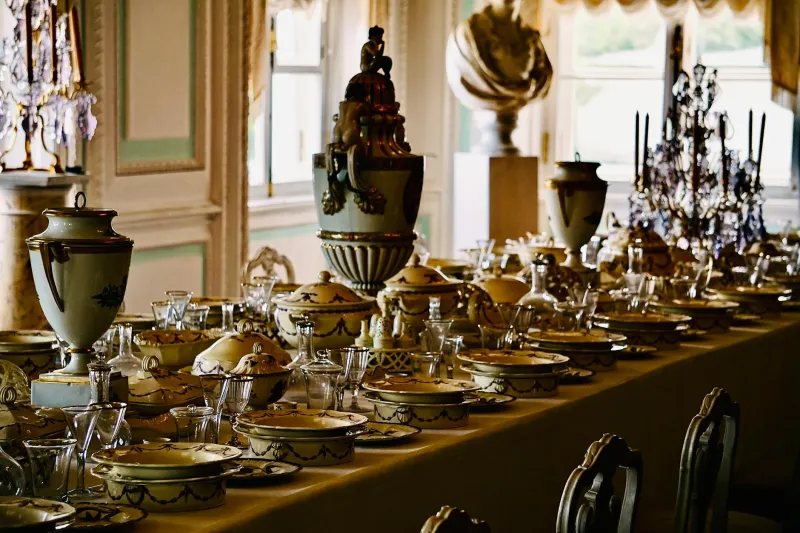
Study photographs of state banquets and notice how the table settings, floral arrangements, and room decoration work together. The colours are rich enough to feel significant but never so bold that they overwhelm the human figures they frame. This balance – creating backdrops that feel important without upstaging the people within them – is crucial for domestic entertaining.
Scale and Intimacy
One of the most impressive aspects of royal event design is how it creates intimacy within grandeur. Buckingham Palace's state rooms are vast, yet during receptions, clever lighting and furniture arrangement create pockets of conversation that feel almost domestic. The trick lies in understanding that large spaces need not feel impersonal if you create smaller zones within them.
This principle transforms challenging domestic spaces. That double-height living room or open-plan kitchen-diner can feel overwhelming, but royal designers would approach it by creating distinct areas through lighting, furniture groupings, and subtle level changes. Think of it as designing multiple rooms within a single space.
The Power of Ritual
Royal ceremonies succeed because they understand the psychological importance of ritual and repetition. The same processional routes, the familiar hymns, the time-honoured protocols – these create a sense of continuity and significance that transcends individual events.
Domestic interiors can harness this power through thoughtful daily rituals. The morning coffee ceremony becomes more meaningful when it takes place at a beautifully set table. Evening meals gain significance when served on pieces chosen specifically for their emotional resonance rather than mere practicality.
Textile Theatre
Royal event designers are masters of fabric and its emotional impact. Watch footage of any state occasion and notice how textiles create atmosphere: the weight of velvet curtains, the gleam of silk banners, the precise draping of ceremonial robes. These aren't just decorative choices – they're psychological tools that make spaces feel more significant.
Translated to domestic design, this means thinking seriously about the tactile qualities of your interiors. Heavy curtains don't just block light – they absorb sound and create a sense of enclosure that can make large rooms feel more intimate. Silk cushions aren't just luxury – they catch and reflect light in ways that make evening rooms feel more magical.
Symbolic Furniture
Every piece of furniture in a royal ceremony has been chosen for its ability to convey meaning as well as function. Thrones aren't just chairs – they're symbols of authority elevated both literally and metaphorically above their surroundings. Ceremonial tables aren't just surfaces – they're stages for displaying objects of significance.
This approach can transform domestic furniture choices. Instead of buying pieces purely for their design appeal, consider their symbolic weight. A solid oak dining table speaks to permanence and tradition in ways that glass and chrome cannot. Inherited pieces, regardless of their style, carry emotional authority that new purchases rarely achieve.
Lighting as Language
Royal designers understand that lighting is perhaps their most powerful tool for creating atmosphere. The interplay between natural light streaming through ancient windows and artificial illumination highlighting key moments creates depth and drama that photography can barely capture.
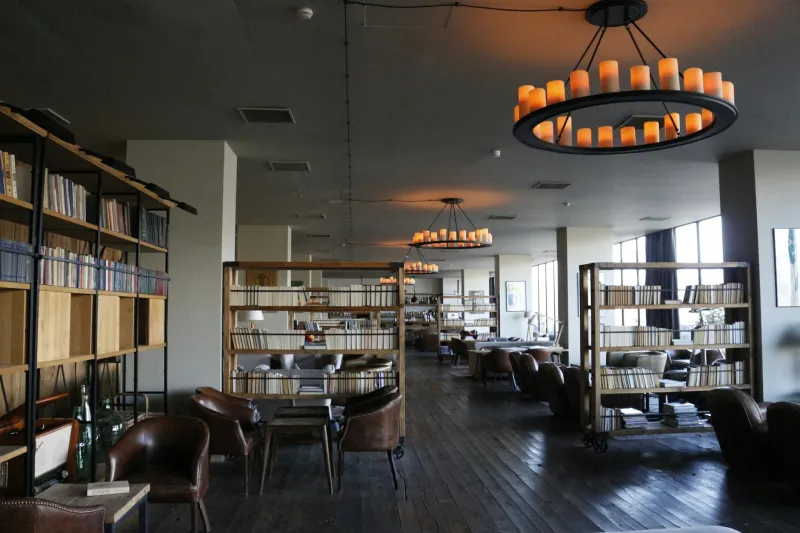
Domestic spaces need this same layered approach. Overhead lighting alone creates flat, institutional atmospheres. But combine table lamps, wall sconces, candles, and natural light, and ordinary rooms begin to feel ceremonial. The key is having multiple light sources at different heights and intensities.
Building Domestic Majesty
The lessons of royal ceremonial design aren't about recreating Buckingham Palace in your sitting room – they're about understanding how spaces can be designed to feel significant, meaningful, and emotionally powerful. Whether you're planning a dinner party or simply want your home to feel more special, the principles remain the same: layer meaning through objects and colour, create processional journeys through your spaces, use lighting to build atmosphere, and never underestimate the psychological power of beautiful textiles.
Royal designers know that the most memorable spaces aren't necessarily the most expensive – they're the ones that understand how design can make ordinary moments feel extraordinary.