The Sacred Ritual of the Ghost Light
Every night, after the last audience member has filed out and the cast have hung up their costumes, a peculiar ritual takes place in theatres across Britain. A single, unadorned bulb on a tall stand is wheeled to centre stage, where it will burn through the night until the next performance. This is the ghost light – part safety measure, part superstition, and entirely magical.
Traditionally, the ghost light serves practical purposes: it prevents anyone from accidentally walking off the stage in darkness, and it satisfies insurance requirements for basic illumination. But ask any theatre professional about their ghost light, and they'll tell you something different entirely. They'll speak of the haunting beauty of that solitary glow, the way it transforms the empty stage into something both melancholy and hopeful.
The Poetry of Single-Source Drama
Stand in the Royal Opera House at midnight, or peer into the Barbican Theatre after hours, and you'll witness something that Britain's leading interior designers are now desperate to recreate: the extraordinary power of single-source lighting. That lone ghost light doesn't attempt to illuminate everything evenly. Instead, it creates pools of warm visibility that fade gradually into mystery.
This approach flies in the face of conventional home lighting wisdom, which has long emphasised bright, even illumination throughout every room. The ghost light philosophy suggests something radically different: that shadows aren't the enemy of good design, but rather its most powerful ally.
Embracing the Art of Selective Illumination
Lighting designer Sally Storey, whose work graces some of Britain's most prestigious homes, has become a vocal advocate for what she calls 'emotional lighting.' Rather than flooding rooms with uniform brightness, she creates what theatre professionals would recognise as lighting plots – carefully orchestrated arrangements where each source serves a specific dramatic purpose.
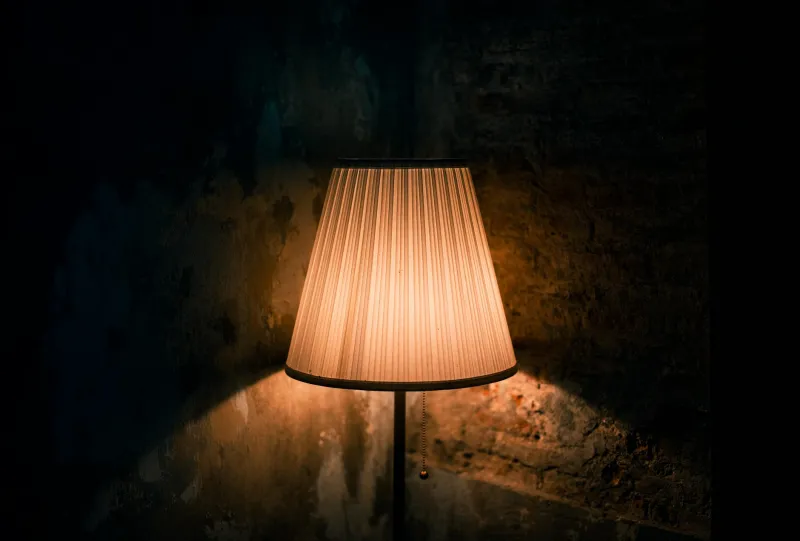
"We've become obsessed with seeing everything clearly," Storey explains, "but the most beautiful rooms are those where light reveals and conceals in equal measure." Her residential projects often feature a single, powerful table lamp that becomes the room's focal point, much like a ghost light claims the stage.
This selective approach requires a fundamental shift in thinking. Instead of asking 'How do I light this room?', the question becomes 'What do I want this room to feel like?' The ghost light doesn't attempt to illuminate every corner of the theatre – it simply creates a presence, a sense of life continuing even in apparent emptiness.
The Warmth of Imperfect Light
Modern LED technology has given us unprecedented control over colour temperature and brightness levels, yet many designers are deliberately choosing the warmer, more imperfect quality of traditional bulbs. The ghost light's bare tungsten filament produces the kind of amber glow that makes everything – and everyone – look better.
This warmth isn't just aesthetic; it's psychological. Cool, blue-white light triggers alertness and activity, whilst warmer tones encourage relaxation and contemplation. The ghost light's gentle warmth transforms even the grandest theatre into something intimate and human-scaled.
Pools of Purpose
In your own home, the ghost light principle translates into what lighting professionals call 'pools of purpose.' Rather than overhead fixtures that attempt to illuminate entire rooms uniformly, consider how individual light sources might create distinct zones and moods.
A reading chair becomes a destination when it has its own dedicated floor lamp. A dining table transforms into a stage for conversation when lit by pendant lights that create intimacy whilst leaving the room's perimeter in gentle shadow. A hallway becomes a gallery when picture lights create pools of interest along its length.
The Theatre of Everyday Life
Perhaps the most profound lesson from Britain's ghost lights is their understanding that atmosphere trumps visibility. These lonely bulbs don't help you read the small print or apply makeup – they simply create a sense of presence and possibility.
This principle can revolutionise domestic spaces. A lamp left burning in an otherwise dark living room creates the same sense of life and warmth that the ghost light brings to an empty theatre. It suggests habitation without demanding attention, comfort without ostentation.
Technical Translation for Home Use
Implementing ghost light principles at home requires some technical consideration. Dimmer switches become essential tools, allowing you to adjust brightness levels throughout the evening. Table lamps with warm-toned bulbs (2700K or lower) create the amber glow that makes spaces feel inhabited and inviting.
Consider the height and placement of your light sources carefully. The ghost light typically stands at human height, creating a sense of companionship rather than surveillance. Floor lamps and table lamps often work better than ceiling fixtures for creating this intimate scale.
The Courage of Darkness
Ultimately, adopting the ghost light approach requires a certain courage – the willingness to embrace darkness as a design element rather than something to be banished. It means accepting that not every corner needs to be visible, that mystery can be more compelling than clarity.
In our increasingly connected and illuminated world, there's something deeply appealing about spaces that offer refuge and contemplation. The ghost light reminds us that sometimes the most powerful lighting design is also the most minimal – a single source of warm light standing sentinel in the darkness, creating atmosphere through restraint rather than excess.
As Britain's theatres have known for generations, the most dramatic lighting isn't always the brightest. Sometimes, it's simply the most intentional.