The Unexpected Design Laboratory
Tucked away in Scotland's most remote corners, accessible only by foot across heather-clad moors and granite ridges, stand some of Britain's most uncompromising interior spaces. These are the bothies — stone-walled refuges that have sheltered walkers, climbers, and shepherds for generations. With their bare walls, iron wood-burners, and candlelit evenings, they represent the absolute antithesis of Instagram-ready interiors. Yet increasingly, these spartan sanctuaries are becoming the unlikely muse for a new wave of British interior design.
"There's something profoundly honest about a bothy," explains Sarah McKenzie, a production designer who's worked on everything from BBC Scotland's outdoor adventures to Netflix's wilderness thrillers. "Strip away everything non-essential, and what remains is pure function married to raw beauty. That's incredibly powerful in our age of excess."
From Survival to Style Statement
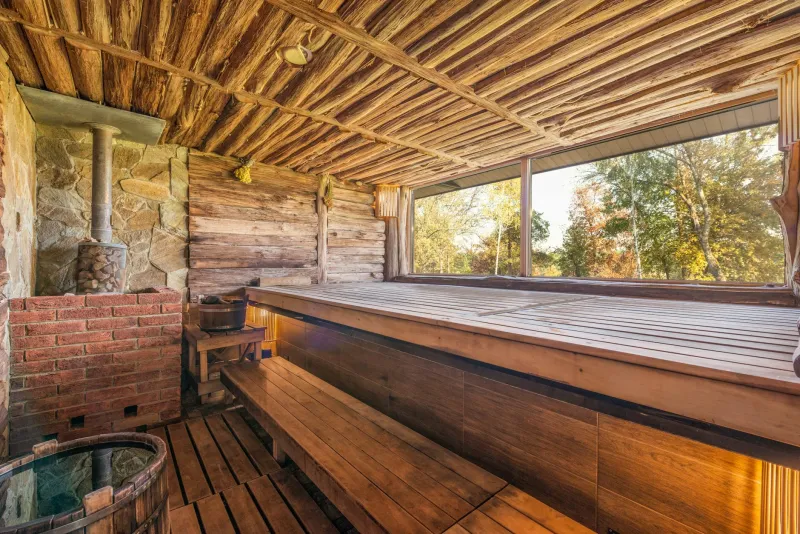
The bothy aesthetic isn't about deprivation — it's about intentionality. These mountain refuges, maintained by volunteers and governed by an unwritten code of respect, offer a masterclass in making the most of minimal resources. Thick stone walls provide natural insulation and texture. A single iron stove becomes both heating system and focal point. Simple wooden benches serve as seating, dining table, and sometimes sleeping platform.
This ruthless editing is now finding its way into contemporary British homes, particularly those designed for film and television. Location scouts have noted a surge in demand for properties that capture this "essential living" aesthetic — spaces that feel curated rather than cluttered, purposeful rather than pretty.
The Production Designer's Perspective
When creating sets for outdoor adventure films or contemporary dramas requiring authenticity, production teams are increasingly drawing from bothy principles. The approach centres on three core elements: honest materials, multi-functional furniture, and the celebration of imperfection.
"We're moving away from the polished country house look towards something more genuine," notes James Hartwell, who styled the interiors for several recent British films featuring remote locations. "Audiences can sense authenticity. A perfectly distressed beam feels different from one that's genuinely weathered."
This shift reflects broader cultural changes. As British society grapples with sustainability concerns and housing costs, the bothy's philosophy of 'enough' rather than 'more' resonates deeply. Production designers report that directors are specifically requesting "bothy-inspired" looks for characters meant to represent grounded, authentic lifestyles.
Translating Mountain Minimalism
The challenge lies in capturing bothy essence without creating spaces that feel cold or unwelcoming. The key is understanding that these mountain refuges work because every element serves multiple purposes and contributes to a greater whole.
Consider lighting: bothies rely on candles, oil lamps, and firelight — sources that create warm pools of illumination rather than uniform brightness. This principle translates beautifully to modern interiors through carefully positioned table lamps, statement pendant lights, and the strategic use of dimmers.
Furniture in bothies is typically robust, simple, and moveable. A wooden bench might serve as seating during meals, a bed for overnight stays, and storage for gear. Modern interpretations might include oak dining benches that double as coffee tables, or sturdy wooden stools that work equally well as side tables or extra seating.
The Material Truth
Perhaps most importantly, bothies showcase materials in their natural state. Stone walls remain unplastered, wooden beams show their grain and imperfections, and metal fixtures develop honest patina over time. This material honesty is increasingly appealing to homeowners tired of synthetic finishes and artificial aging.
"There's a reason film crews love shooting in bothies," explains location manager Emma Thomson. "These spaces have genuine character that can't be manufactured. The wear patterns, the smoke stains, the scratches on wooden surfaces — they tell stories."
Bringing Bothy Home
For those inspired to incorporate bothy aesthetics into their own spaces, the approach requires restraint and intention. Start by identifying the essential functions each room must serve, then choose pieces that can fulfil multiple roles. Invest in quality materials — solid wood, natural stone, untreated metals — that will age gracefully rather than simply deteriorate.
Colour palettes should reflect the Scottish landscape: stone greys, heather purples, bracken browns, and the deep greens of pine forests. These aren't colours that shout for attention but rather tones that create a sense of calm and groundedness.
The Future of Functional Beauty
As production designers continue to mine authentic British locations for inspiration, the bothy aesthetic represents something larger than a design trend. It's a return to the idea that good design serves life rather than dominating it, that beauty can emerge from utility, and that the most memorable spaces are often the most honest ones.
In an age of Instagram staging and fast furniture, Scotland's mountain bothies offer a different vision: spaces shaped by necessity, softened by time, and made beautiful through purpose. For British interiors, that might be exactly the inspiration we need.