Grand Entrance Secrets: How London's Legendary Hotel Lobbies Master the Art of First Impressions
Step through the revolving doors of The Savoy and you're immediately transported into a world where every surface, every shadow, and every sight line has been orchestrated to create pure theatre. It's not accident or luck that makes these spaces so captivating – it's the result of decades of refined staging principles that any homeowner can adapt for their own entrance hall.
London's hotel lobbies aren't just reception areas; they're elaborate stage sets where the drama begins the moment you cross the threshold. And whilst most of us don't have the square footage of The Ritz or the budget of The Langham, the fundamental design principles these spaces employ can work wonders in even the most modest British hallway.
The Power of the Pause
Watch how guests move through The Connaught's entrance and you'll notice something fascinating: everyone slows down. This isn't by chance. The space is designed with what hospitality designers call 'pause points' – moments where the eye is naturally drawn to linger.
"We create visual anchors that give people permission to stop and absorb the space," explains one leading hotel designer who's worked on several Mayfair properties. "It's about choreographing the journey from door to destination."
In your own home, this translates beautifully. A striking piece of artwork positioned at eye level as you enter, or a carefully placed console table with a sculptural lamp, creates that same sense of intentional pause. The key is giving visitors a reason to stop and appreciate rather than simply rushing through.
Layered Lighting as Visual Storytelling
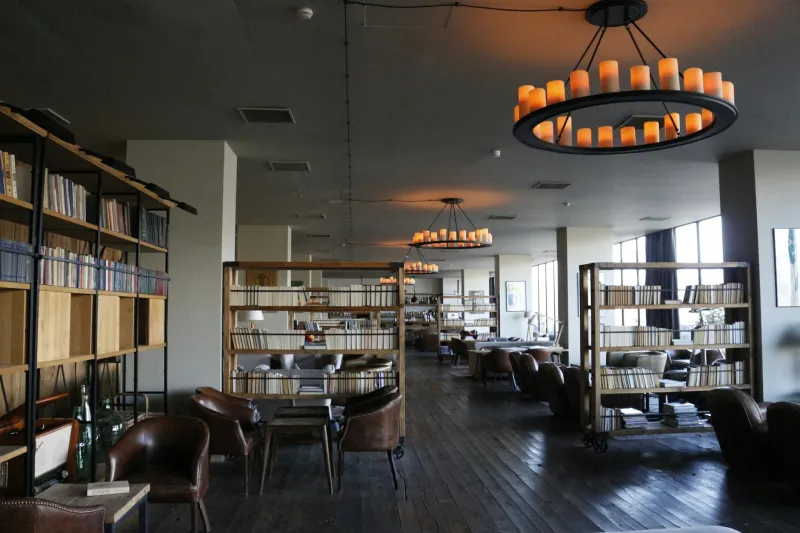
Step into The Café Royal and you're immediately struck by how the lighting seems to guide you deeper into the space. This isn't one overhead fixture doing all the work – it's a carefully orchestrated symphony of ambient, task, and accent lighting working in harmony.
Hotel designers understand that lighting tells a story. The warm glow from table lamps creates intimacy, whilst strategically placed spotlights highlight architectural features and artwork. Overhead chandeliers provide the necessary illumination whilst adding glamour and scale.
For home entrances, this principle is transformative. Instead of relying solely on a central ceiling light, consider adding a table lamp on a console, wall sconces flanking a mirror, or even LED strips hidden behind architectural moulding. The goal is to create depth and interest, making even a narrow hallway feel layered and sophisticated.
The Art of the Unexpected Detail
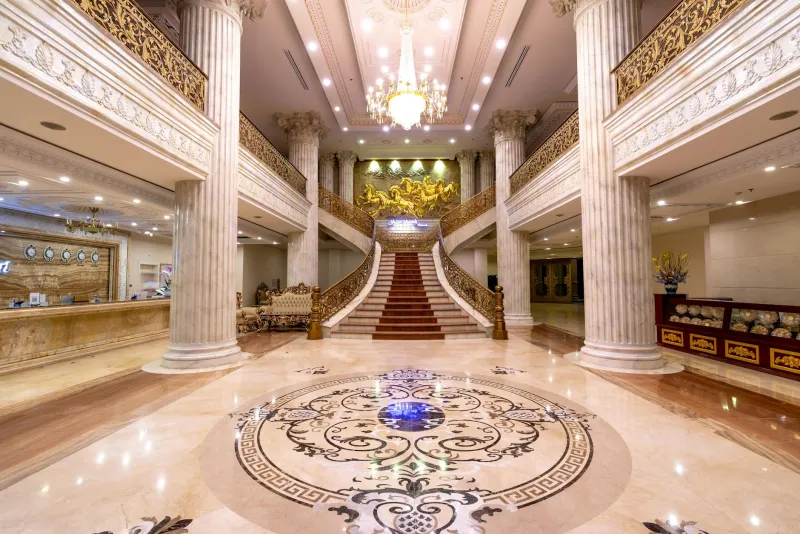
What makes Claridge's lobby so memorable isn't just its scale – it's the unexpected details that catch your eye. The way fresh flowers are arranged, the texture of the marble, the gleam of polished brass handles. These elements work together to create what designers call 'visual richness.'
This principle works beautifully in residential settings. A vintage brass coat hook, an interesting door handle, or even a carefully chosen doormat can elevate a simple entrance into something special. The trick is to choose details that feel intentional rather than accidental.
Creating Sightlines That Seduce
Brilliant hotel lobbies understand the power of the reveal. At The Shard's Shangri La, for instance, you catch glimpses of the spectacular views beyond, drawing you further into the space. This concept of 'borrowed views' is fundamental to good entrance design.
In a home context, this might mean positioning a mirror to reflect light from a window, or arranging furniture so that you catch a glimpse of your favourite room beyond the hallway. Even in terraced houses with narrow hallways, a well-placed mirror can create the illusion of space and depth.
The Psychology of Proportion
One reason The Dorchester's lobby feels so welcoming isn't just its luxurious finishes – it's the careful attention to scale and proportion. The height of seating, the size of artwork, the relationship between different elements all work together to create a sense of harmony.
This matters enormously in home entrances, where proportions can easily feel off. A tiny table lamp on a large console looks lost, whilst an oversized mirror in a small space feels overwhelming. The secret is to choose pieces that relate properly to both the space and each other.
Bringing Hotel Grandeur Home
The beauty of learning from London's hotel lobbies isn't that you need to recreate their exact aesthetic – it's understanding the principles that make them work so well. Whether you're working with a grand Victorian hallway or a compact modern entrance, these staging techniques can transform how your space feels.
Start with one element – perhaps improved lighting or a statement mirror – and build from there. Remember, even The Savoy wasn't built in a day, and neither should your perfect entrance. The goal is creating a space that makes both you and your guests feel that frisson of excitement the moment they step through your door.
After all, every home deserves its own red carpet moment.