The Hidden Designers Reshaping British Interiors
Whilst we've been obsessing over Instagram-perfect living rooms, a quiet revolution has been brewing behind the unmarked doors of Britain's industrial estates. The UK's escape room industry—now worth over £50 million annually—has spawned an unlikely generation of interior visionaries who understand something fundamental that traditional designers often miss: the most powerful spaces aren't just seen, they're experienced.
These puzzle architects work within brutal constraints that would terrify most interior designers. Budgets measured in hundreds, not thousands. Spaces that must transform from Victorian parlour to space station within weeks. Rooms that need to function flawlessly under the scrutiny of stressed punters wielding UV torches and magnifying glasses.
"We're essentially interior designers on steroids," explains Sarah Chen, creative director at Enigma Rooms in Manchester. "Every single element—from the wallpaper pattern to the weight of a door handle—must serve the narrative. There's no room for decorative fluff."
The Art of Deliberate Deception
Step inside Breakout Manchester's "Sabotage" room, and you'll find yourself in what appears to be a perfectly ordinary 1940s office. The devil, as always, is in the details. That slightly askew picture frame? It conceals a hidden compartment. The vintage typewriter isn't just atmospheric dressing—it's a fully functional puzzle component. Even the musty smell has been carefully calibrated to transport players back eight decades.
This approach to layered storytelling offers profound lessons for residential design. "Traditional interior design often focuses on creating a single mood or aesthetic," observes Tom Bradley, founder of Escape This in Birmingham. "We've learned that the most engaging spaces contain multiple narratives operating simultaneously—some obvious, others waiting to be discovered."
Consider how this translates to domestic spaces. A bookshelf isn't merely storage—it's an autobiography. A kitchen island becomes a stage for daily dramas. These designers understand that the most satisfying interiors reward investigation, revealing new details with each encounter.
Mastering the Psychology of Space
Escape room designers are inadvertent experts in environmental psychology, manipulating everything from ceiling height to colour temperature to influence behaviour. Low ceilings create urgency. Warm lighting encourages lingering. Strategic placement of mirrors can make cramped spaces feel expansive whilst simultaneously creating visual puzzles.
"We use what we call 'gravitational design,'" explains Chen. "Certain elements naturally draw people towards them—a shaft of light, a splash of unexpected colour, an object that doesn't quite belong. We position these magnets deliberately to guide movement and focus attention."
This principle translates beautifully to residential design. Rather than creating symmetrical, static arrangements, consider how furniture placement might encourage natural circulation patterns. A strategically positioned reading lamp can transform a forgotten corner into a destination. An unexpected artwork can redirect traffic flow through a hallway.
The Power of Purposeful Clutter
Whilst minimalism dominates contemporary design discourse, escape rooms celebrate controlled chaos. Every surface tells a story through carefully curated objects that appear random but serve specific narrative functions.
"Minimalism can feel sterile because it removes the evidence of human habitation," notes Bradley. "We've learned that authentic spaces feel lived-in, with layers of history visible in the accumulation of objects."
This doesn't mean abandoning organisation for chaos. Instead, it suggests embracing what escape room designers call "purposeful clutter"—arrangements that appear organic but serve deliberate functions. A stack of vintage books becomes both decoration and concealed storage. A collection of vintage cameras tells a story whilst adding textural interest.
Lighting as Narrative Tool
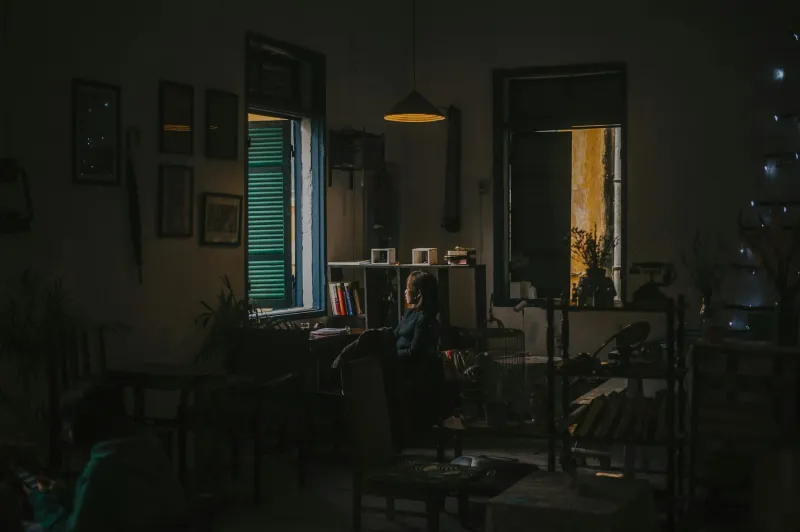
Escape room lighting design operates on multiple levels simultaneously. Ambient lighting establishes mood. Task lighting illuminates puzzle elements. Accent lighting creates drama and guides attention. Hidden lighting reveals secret messages under ultraviolet exposure.
"Lighting is our secret weapon," reveals Chen. "We layer different sources to create depth and mystery. A room lit by a single overhead bulb feels flat and institutional. Add table lamps, concealed strips, and strategic spotlights, and suddenly you've created a space with genuine atmosphere."
For residential applications, this suggests moving beyond the traditional ceiling-mounted fixture approach. Table lamps create intimate pools of light. Picture lights add drama to artwork. Concealed LED strips can transform ordinary furniture into architectural features.
Building Rooms That Reward Curiosity
Perhaps the most valuable lesson escape rooms offer residential designers is the importance of creating spaces that reward exploration. Hidden storage compartments, secret passages, and concealed functionality transform ordinary rooms into interactive experiences.
"Every room should have at least one secret," suggests Bradley. "It might be a hidden bookshelf compartment, a concealed charging station, or simply an unexpected view revealed by moving to a different position."
This philosophy challenges us to think beyond static beauty towards dynamic functionality. Furniture that transforms. Storage that surprises. Details that reveal themselves gradually rather than demanding immediate attention.
The Future of Immersive Design
As Britain's escape room industry matures, its design innovations are beginning to influence mainstream interior design. Residential projects increasingly incorporate hidden storage, transformable furniture, and layered lighting schemes that would feel at home in any puzzle room.
"We're teaching people that interiors don't have to be passive," concludes Chen. "The most memorable spaces are those that invite interaction, reward curiosity, and continue revealing new facets long after the initial encounter."
In an age of Instagram perfection and minimalist conformity, perhaps it's time to embrace the escape room philosophy: that the most compelling interiors aren't just beautiful—they're mysterious, rewarding, and utterly, irresistibly alive.