Dark Arts: How Britain's Detective Dramas Are Teaching Us to Design with Shadows
Forget the pastel perfection of baking tent aesthetics. Britain's next great interior revolution isn't coming from lifestyle programming—it's emerging from the rain-soaked streets of our crime dramas. From the Yorkshire stone cottages of Happy Valley to the coastal bleakness of Broadchurch, the production designers behind Britain's detective obsession are crafting spaces that don't just look atmospheric—they feel psychologically loaded.
While we've spent years chasing the sugar-dusted charm of Great British Bake Off interiors, a quieter design movement has been brewing in the shadows. The forensic attention to environmental detail that makes Line of Duty's interview rooms feel claustrophobic or transforms Sherlock's Baker Street flat into a character in its own right represents a completely different approach to domestic storytelling.
The Psychology of Place
Crime drama set designers understand something that many homeowners miss: every object tells a story. Walk through DCI Cassie Stuart's lived-in kitchen in Unforgotten, and you'll notice the careful accumulation of authentic details—the mismatched mugs, the worn wooden spoons, the stack of newspapers that feels genuinely inhabited rather than styled.
"We're creating spaces that characters have actually lived in," explains production designer Simon Bowles, whose work spans everything from Broadchurch to The Crown. "It's not about making things look pretty—it's about making them feel real."
This forensic approach to authenticity creates interiors with genuine emotional weight. Unlike the aspirational perfection of lifestyle television, crime drama spaces acknowledge the beautiful imperfection of actually living somewhere.
Light as Character
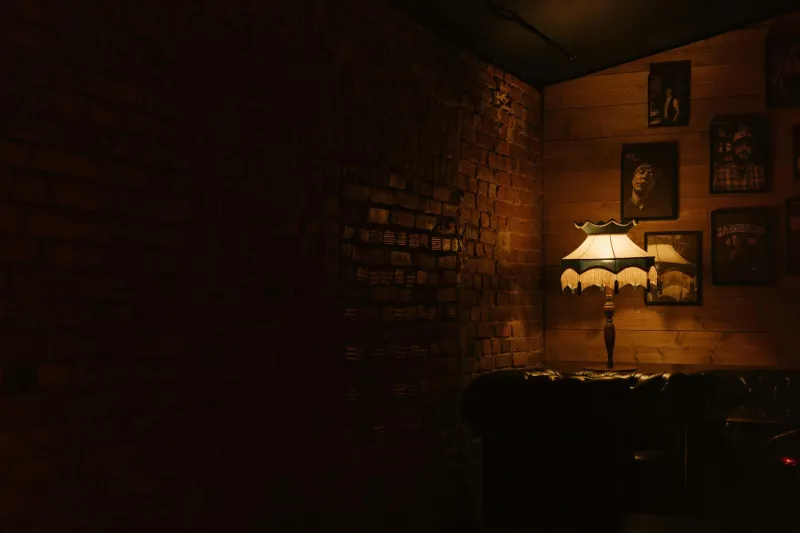
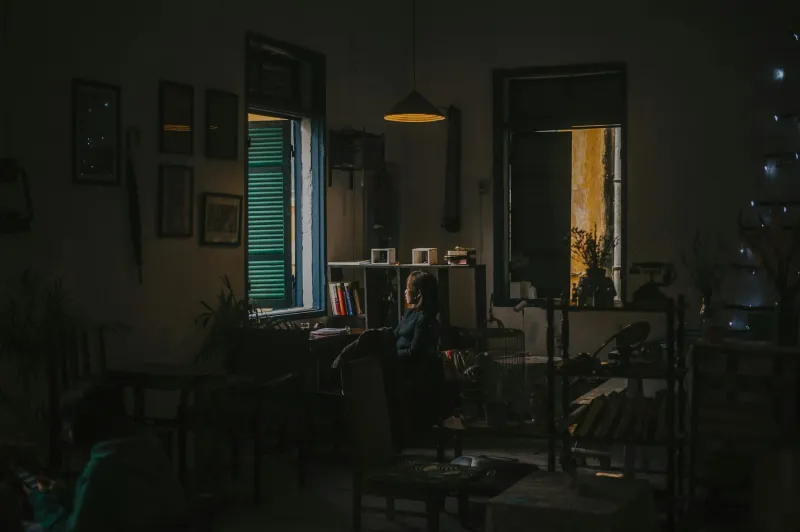
Perhaps nowhere is this more evident than in how these productions handle light. While home renovation shows flood spaces with brightness, crime dramas understand the dramatic potential of shadows. The perpetual dusk of a Welsh winter in Hinterland, the harsh fluorescents of a police station in Line of Duty—these aren't just atmospheric choices, they're emotional cues.
For homeowners, this translates into a more nuanced approach to lighting design. Instead of banishing every shadow, consider how different light sources create different moods throughout the day. The warm pool of light from a reading lamp, the cool wash from a north-facing window, the dramatic silhouettes cast by architectural features—all contribute to a space's emotional register.
Material Honesty
Crime drama interiors excel at material authenticity. There's no hiding behind perfect paint jobs or pristine surfaces. The weathered stone of a Yorkshire farmhouse in Happy Valley, the salt-stained windows of a Dorset cottage in Broadchurch—these spaces wear their history on their sleeves.
This translates beautifully to domestic design. Instead of constantly refreshing and updating, consider how patina and wear can add character. That slightly scuffed wooden floor isn't a flaw—it's evidence of life lived. The faded fabric on a favourite armchair tells a story that no amount of pristine upholstery can match.
Colour as Mood
The palettes favoured by crime drama set designers are far from gloomy—they're sophisticated. The deep teals and charcoal greys of Shetland, the muted ochres and sage greens of Vera—these colours create spaces that feel grounded and substantial rather than fleeting and fashionable.
British homeowners are beginning to embrace these more complex colour relationships. Instead of bright whites and cheerful pastels, there's a growing appreciation for colours that change throughout the day, that look different in morning light than they do at dusk.
The Art of Restraint
Perhaps most importantly, crime drama design teaches restraint. These spaces aren't cluttered with decorative objects chosen for their visual appeal. Every element serves a purpose, either practical or narrative. It's a lesson in editing that many domestic interiors could benefit from.
This doesn't mean stark minimalism—it means thoughtful curation. Each piece of furniture, each artwork, each decorative object should earn its place through use or meaning rather than mere aesthetic appeal.
Bringing Crime Scene Sensibility Home
Adopting crime drama design principles doesn't mean turning your home into a moody film set. It means approaching your space with the same attention to authenticity and narrative that makes these productions so compelling.
Start with lighting—layer different sources to create pools of warmth and shadow. Embrace materials that age gracefully rather than demand constant maintenance. Choose colours that feel substantial and changeable rather than bright and static.
Most importantly, resist the urge to over-style. Let your space tell the story of how you actually live, complete with the beautiful imperfections that make a house feel like a home.
As Britain's crime drama boom continues to captivate audiences worldwide, its influence on interior design is only just beginning. These productions offer something that lifestyle television cannot—a masterclass in creating spaces with genuine emotional depth and authentic character. In a world of Instagram-perfect interiors, perhaps it's time to embrace the shadows.