The Accidental Gallery
On a rain-soaked wall in Bermondsey, the words "PEEK FREAN & CO'S BISCUITS" emerge through decades of London grime like a photograph developing in slow motion. The letters, painted sometime in the 1920s, have weathered into something more beautiful than any contemporary graphic designer could deliberately create. This is Britain's accidental typography museum – thousands of ghost signs scattered across urban walls, each one a masterclass in how time, weather, and neglect can transform commercial lettering into something approaching art.
Across the country, a growing community of enthusiasts is documenting these fading advertisements, and their passion is feeding directly into contemporary interior design. From Shoreditch restaurants to Sheffield loft conversions, the aesthetic language of ghost signs is being translated into domestic spaces with surprising sophistication.
The Beauty of Imperfection
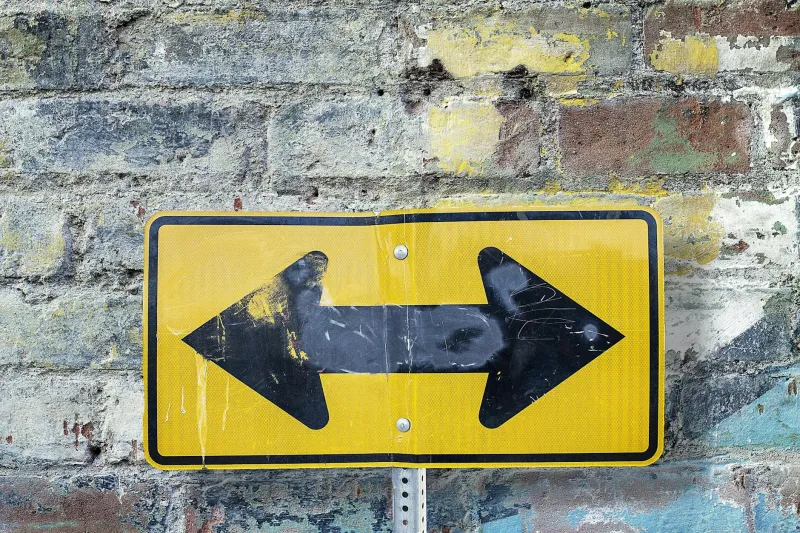
What makes ghost signs so compelling isn't their original perfection, but their accumulated imperfection. Paint has flaked away to reveal earlier layers, creating accidental colour palettes of extraordinary subtlety. Letters have faded at different rates, creating natural hierarchies of information that feel organic rather than designed. Weather staining has added texture and depth that no printing process could replicate.
This aesthetic of beautiful decay is revolutionising how designers think about typography in interiors. Rather than the crisp perfection of vinyl lettering or digital prints, there's a growing appetite for text that feels lived-in, weathered, and authentic.
Reading the Street
Sam Roberts, who runs the Instagram account @ghostsignsofbritain, has been documenting fading advertisements across the UK for over a decade. "Each sign tells multiple stories," he explains. "There's the original business, obviously, but also the story of the building, the neighbourhood, and the changing economy. A Victorian boot-maker's sign painted over with 1950s advertising, then partially revealed again by weather – that's three different eras of British commerce in one image."
 Photo: Sam Roberts, via trentscomedy.com
This layered storytelling is exactly what contemporary interior designers are trying to recreate. Instead of wall graphics that simply state information, they're creating typographic features that accumulate meaning and visual interest over time.
The Craft Behind the Decay
Before examining how ghost signs influence contemporary interiors, it's worth understanding how they were originally made. Most date from the era of hand-painted advertising – roughly 1880 to 1960 – when skilled sign writers would spend days creating large-scale letterforms directly onto brick and stone.
These craftsmen understood letter spacing, proportion, and hierarchy in ways that modern graphic designers, trained primarily on screen-based media, sometimes struggle to grasp. Working at architectural scale, they created typography that could be read from across busy streets while remaining beautiful at close quarters.
Domestic Translation
The influence of ghost signs on contemporary interiors manifests in several distinct ways. The most literal approach involves recreating the weathered aesthetic through distressed painting techniques, layered stencils, and deliberately imperfect application. But more sophisticated interpretations focus on the underlying principles rather than surface mimicry.
In a converted warehouse apartment in Manchester, interior designer Lucy Chen has created a feature wall that references the ghost signs visible from the building's windows. Rather than copying specific lettering, she's extracted the colour palette – muted terracotta, faded cream, and oxide red – and applied it through a combination of painted text and carefully chosen vintage signage.
"The ghost signs outside are selling tea and tobacco from companies that closed decades ago," Chen explains. "But their colour relationships are timeless. That's what I wanted to capture – not the specific messages, but the visual language."
Typography as Architecture
One of the most striking aspects of ghost signs is how they interact with the buildings they adorn. The best examples work with architectural features rather than against them, wrapping around corners, flowing between windows, and responding to the rhythm of brick courses.
This architectural awareness is transforming domestic typography. Instead of treating wall text as applied decoration, designers are increasingly thinking about how lettering can enhance and respond to a room's existing features. Text that flows around doorways, follows the line of a staircase, or responds to the proportions of period windows creates a more integrated, considered result.
The Palette of Age
Perhaps the most transferable aspect of ghost sign aesthetics is their colour palette. Decades of weathering have created combinations that feel both sophisticated and unforced: rust red fading to pink, deep blue mellowing to grey, black softening to charcoal. These aren't colours you'd find on contemporary paint charts, but they're combinations that feel immediately familiar and comfortable.
Interior designers are recreating these palettes through layered paint techniques, lime washing, and careful selection of vintage advertising materials. The key is understanding that ghost sign colours work because they've been edited by time – harsh contrasts have softened, bright hues have muted, and everything has been unified by the patina of age.
Material Honesty
Ghost signs work because they're honest about their materials and methods. Paint on brick, enamel on metal, carved letters filled with lead – each technique creates its own aesthetic signature that speaks to the physical process of its making.
Contemporary interior typography often lacks this material honesty, relying on vinyl decals and digital prints that could have been made anywhere. The ghost sign revival is encouraging designers to think more carefully about how text is physically created and applied, leading to renewed interest in traditional techniques like hand-lettering, screen printing, and even carved lettering.
Beyond Nostalgia
While ghost signs inevitably evoke nostalgia for Britain's industrial past, their influence on contemporary interiors goes deeper than mere period styling. They represent a different approach to visual communication – one that values craft over speed, permanence over disposability, and integration over application.
In an age of digital saturation, there's something deeply appealing about typography that exists in physical space, that ages and changes, and that can't be deleted with a click. Ghost signs remind us that text can be architecture, that letters can be landscape, and that the most beautiful typography is often that which has been edited by time rather than software.
The Future of Fading
As Britain's remaining ghost signs continue to weather away, their influence on interior design seems only to be growing. But the best contemporary applications understand that this isn't about literal recreation – it's about capturing the principles that made these accidental artworks so compelling.
The future of interior typography may well lie not in perfect digital reproduction, but in embracing the beautiful imperfection that only time, weather, and human craft can create.