The Quiet Power of Understated Luxury
Walk past the unmarked door of Rules in Covent Garden or slip through the discreet entrance of White's on St James's Street, and you're entering a masterclass in atmospheric design. Britain's most exclusive private members' clubs have spent centuries perfecting something that money alone cannot buy: the feeling of belonging to something special.
Unlike the gleaming marble lobbies of five-star hotels or the polished perfection of high-end retail spaces, these rooms tell a different story entirely. They speak in worn Persian rugs, club fenders that have been polished by countless hands, and leather armchairs that have developed their own unique patina. This isn't luxury as performance – it's luxury as lived experience.
The Architecture of Intimacy
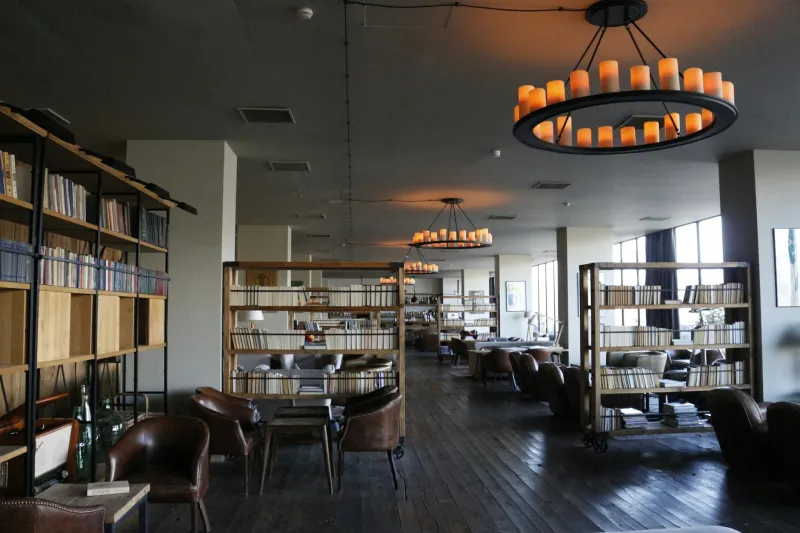
The genius of club design lies in its understanding of human psychology. These spaces are deliberately broken up into smaller, more intimate zones rather than grand, overwhelming rooms. The Reform Club's famous library doesn't announce itself with soaring ceilings and marble columns – instead, it draws you in with book-lined alcoves and reading nooks that feel discovered rather than designed.
This principle translates beautifully to residential spaces. Rather than creating one large, open-plan living area, consider how you might carve out distinct zones within a room. A reading corner defined by a floor lamp and side table, a conversation area anchored by a well-positioned rug, or a window seat that becomes its own small world – these are the building blocks of spaces that feel curated rather than merely furnished.
The Layered Language of Heritage
Step into Soho House Dean Street and you'll notice something fascinating: nothing matches, yet everything belongs. This is the art of layered heritage – mixing periods, styles, and provenances in ways that feel organic rather than studied. A Georgian side table might support a 1960s ceramic lamp, while contemporary artwork hangs above a Victorian chesterfield.
This approach requires confidence and restraint in equal measure. The key is finding the common threads – perhaps a consistent colour palette, similar proportions, or complementary materials – that allow disparate pieces to coexist harmoniously. It's about creating the impression that your space has evolved over time, accumulating stories and character along the way.
Curated Clutter: The Art of Strategic Imperfection
The most successful club interiors embrace what designers call 'curated clutter' – the strategic placement of objects that suggest life being lived rather than merely displayed. Think newspapers folded and left on side tables, books with visible wear marks, or a chess game abandoned mid-play.
This isn't about creating mess – it's about creating narrative. Every object should have a reason for being there, whether practical or emotional. A stack of art books on a coffee table suggests intellectual curiosity. A vintage decanter on a side table hints at evening conversations. A cashmere throw draped over a chair implies recent use and comfort.
Lighting as Theatre
Perhaps no element is more crucial to the club atmosphere than lighting. These spaces understand that harsh, even illumination kills mystery and intimacy. Instead, they rely on pools of warm light – table lamps, floor lamps, and strategically placed uplighting that creates what lighting designers call 'hierarchy of illumination.'
The goal is to create pockets of activity and contemplation rather than uniform brightness. A reading chair becomes a destination when it has its own dedicated light source. A seating group feels more intimate when it's defined by the warm glow of a table lamp rather than overhead fixtures.
The Psychology of Worn-In Luxury
There's something deeply appealing about luxury that doesn't try too hard. The leather banquettes at Blacks have developed a rich patina that speaks of decades of use. The wooden floors at the Garrick show the gentle wear patterns of countless footsteps. This is luxury with a story – materials that improve with age rather than deteriorate.
When selecting furnishings for your own space, consider how they might age. Will that leather sofa develop character over time, or will it simply look shabby? Will those wooden floors gain warmth and depth, or will they require constant maintenance to look presentable? The best club interiors choose materials that become more beautiful with use rather than less.
Creating Your Own Private Retreat
The ultimate lesson from Britain's private members' clubs isn't about exclusivity – it's about intentionality. These spaces succeed because every element serves a purpose, whether functional or emotional. They create environments where people want to linger, to return, to belong.
Your home can achieve the same effect through careful attention to atmosphere over ostentation. Choose pieces with stories to tell. Create intimate zones within larger spaces. Layer different periods and styles with confidence. And remember that the most luxurious spaces are often those that feel most like home – lived-in, loved, and utterly, unmistakably yours.