The Science of Seduction Meets Suburban Living
Step into Fabric's subterranean depths or push through the velvet curtains at Mahiki, and something extraordinary happens to your nervous system. Your pupils dilate, your breathing changes, and suddenly you're existing in an entirely different emotional universe. This isn't accident—it's architecture.
Britain's nightclub designers are the unsung masters of atmospheric manipulation, spending decades perfecting the dark arts of mood engineering. Whilst the rest of us fumble with table lamps and magnolia paint, these specialists have been quietly solving the riddle of how physical spaces can rewire human emotion within seconds.
The question isn't whether these techniques work—anyone who's felt the electric anticipation of descending into a legendary London basement knows they do. The question is why we're not stealing their secrets for our sitting rooms.
The Threshold Transformation
Every great nightclub begins its magic at the entrance, and this principle translates beautifully to residential design. Consider how Fabric's narrow corridor forces visitors to leave the ordinary world behind through physical compression before exploding into the main space. This technique—what designers call 'threshold sequencing'—creates psychological separation between different emotional states.
In your home, this might mean creating a deliberate transition between your hallway and living room. A dramatic change in ceiling height, lighting temperature, or even floor material signals to visitors (and yourself) that they're entering somewhere special. The Georgian townhouses of Bloomsbury understood this instinctively, with their grand entrance halls preparing guests for the drawing room beyond.
Modern homes often skip this crucial beat, rushing visitors straight into the main event without building anticipation. Nightclub designers would never make this mistake.
Lighting as Liquid Architecture
Walk through any successful club and you'll notice something remarkable: you can barely see the walls. This isn't poor planning—it's genius. By keeping structural elements in shadow whilst highlighting specific zones, designers create the illusion that space is infinite and malleable.
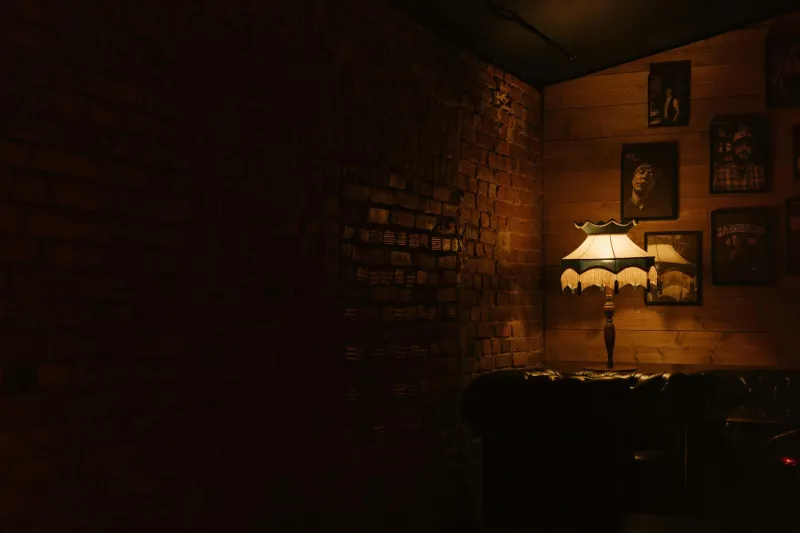
The lighting philosophy here runs counter to everything we've been taught about 'good' home illumination. Forget even, ambient brightness. Think instead about pools of warm light that draw people together, mysterious corners that intrigue rather than illuminate, and the transformative power of shadows to make familiar spaces feel unknown.
Consider installing dimmer switches not just for practicality, but as tools for emotional architecture. A living room that can shift from bright family space to intimate evening retreat isn't just functional—it's psychologically sophisticated.
The Texture Revolution
Mahiki's success lies partly in its fearless embrace of tactile excess—crushed velvet, polished brass, rough stone, smooth leather all competing for attention within the same sightline. This sensory overload isn't chaos; it's calculated stimulation designed to keep the nervous system engaged.
Most British homes suffer from texture timidity, relying on a narrow palette of familiar materials that feel safe but ultimately boring. Nightclub designers understand that emotional engagement requires sensory variety. They layer materials with the confidence of someone who knows that visual tension creates psychological interest.
This doesn't mean turning your lounge into a tiki bar, but it does suggest embracing bolder material conversations. Mix the rough with the smooth, the matte with the glossy, the hard with the soft. Your guests' subconscious will thank you for giving it something interesting to process.
Spatial Manipulation and Social Engineering
The layout of legendary clubs like Ministry of Sound isn't random—every sight line, every bottleneck, every open space has been calculated to encourage specific types of social interaction. Narrow passages force strangers into proximity, whilst wide dance floors allow for exhibitionism. Raised platforms create hierarchy and theatre.
Your dining room or living space can benefit from this same strategic thinking. Consider how furniture placement either encourages or discourages conversation. Think about sight lines and how they create drama or intimacy. Ask yourself what social behaviours your current layout promotes, and whether those align with how you actually want to live.
The Mystery Principle
Perhaps the most powerful tool in the nightclub designer's arsenal is strategic concealment. The best clubs reveal themselves gradually, maintaining areas that can't be seen from the entrance, creating the sense that there's always more to discover.
This principle translates beautifully to residential design through the careful use of screens, partial walls, or even strategic furniture placement that blocks complete views of a room from its entrance. The goal isn't to create confusion, but to maintain the possibility of surprise—something most homes abandon in favour of total visual accessibility.
Bringing the Night Home
The genius of nightclub design lies not in its excess, but in its emotional intelligence. These spaces understand that how we feel in a room matters more than how it looks in photographs, and that atmosphere can be engineered rather than hoped for.
Your home doesn't need to throb with bass or glitter with disco balls to benefit from these insights. But it could use a dose of the confidence, sensory sophistication, and psychological awareness that makes Britain's best nightclubs impossible to forget.
After all, if a space can make strangers fall in love with a night, imagine what those same principles could do for the relationship between you and your living room.